
Everyone suffers from various occupational diseases, and there are likely tasks that become traumatic enough to make one sensitive to even a single word.
For me, that was the time I spent working at an automotive electronics company when I was dispatched to a rural village in Poland to oversee a project and spend about three months securing “safety stock.” In the second half of 2020, to row the boat against the tide of the EV industry, which had grown rapidly for unknown reasons, the company easily secured special flight tickets and sent its members to a harsh land without any regard for circumstances. True to the cruel environment of the automotive industry, automakers, battery manufacturers, and electronics suppliers began a COVID-19 battle royal to see who would be the first to have their production line stop.
There were only two ways to escape that game:
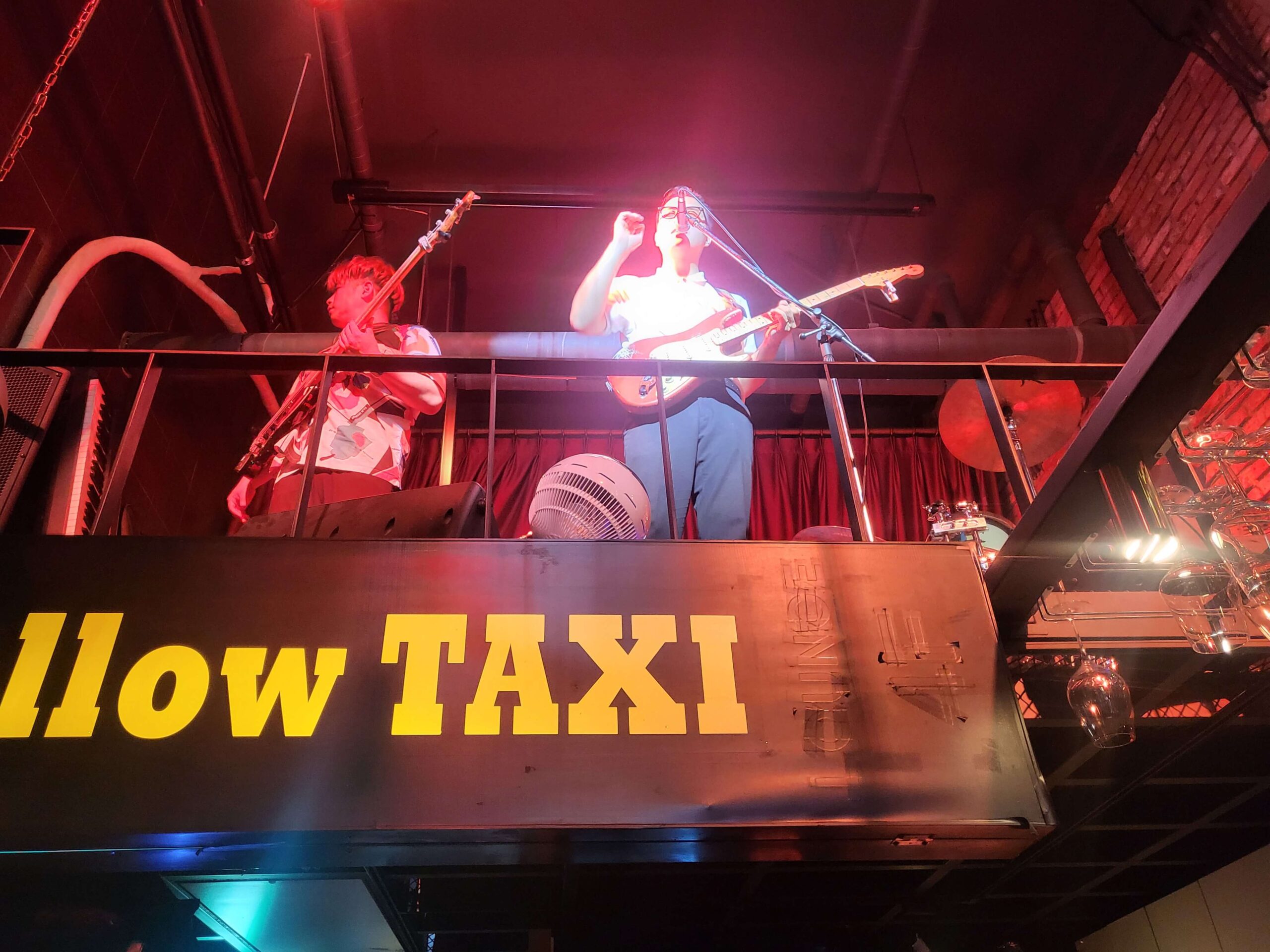
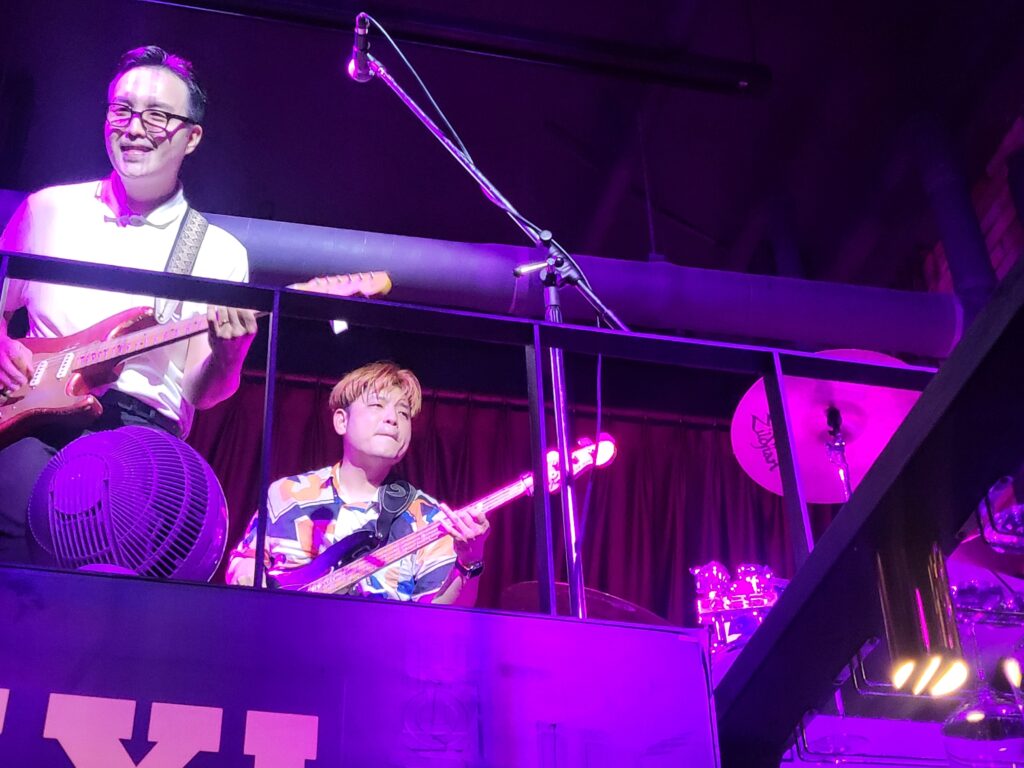
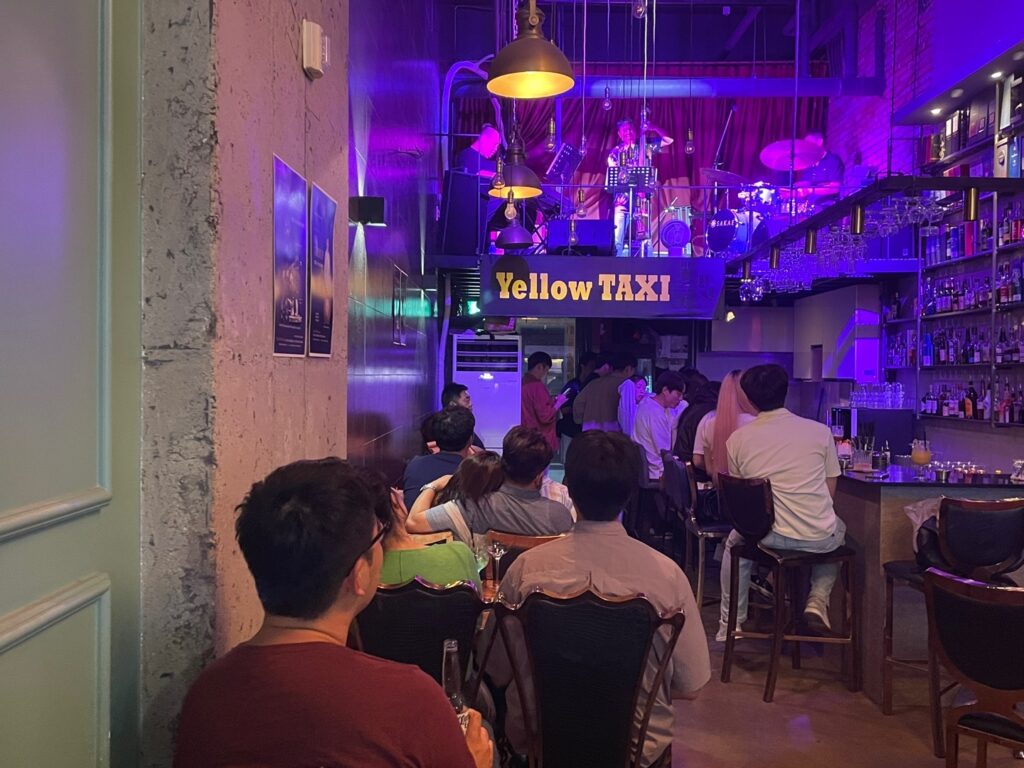
Either secure safety stock and stabilize operations, or infected to COVID-19 and return home. (Of course, those who remained had to shoulder the first option.) Whether it was a misfortune or a blessing, ought to the Corona virus that I have never once infected to this period, I have been left with both actual ‘safety stock’ and ‘safety stock’ as trauma; however, I suspect this has allowed me to view ‘safety stock’ from a different perspective. ‘Even in repetitive daily habits, wouldn’t a secured mental inventory for safety be necessary? Then, wouldn’t I need ‘safety jazz’?’ The ‘safety jazz’ I secured during one and half year was a small jazz bar called ‘Yellow Taxi,’ located in a bustling alley of Daejeon.
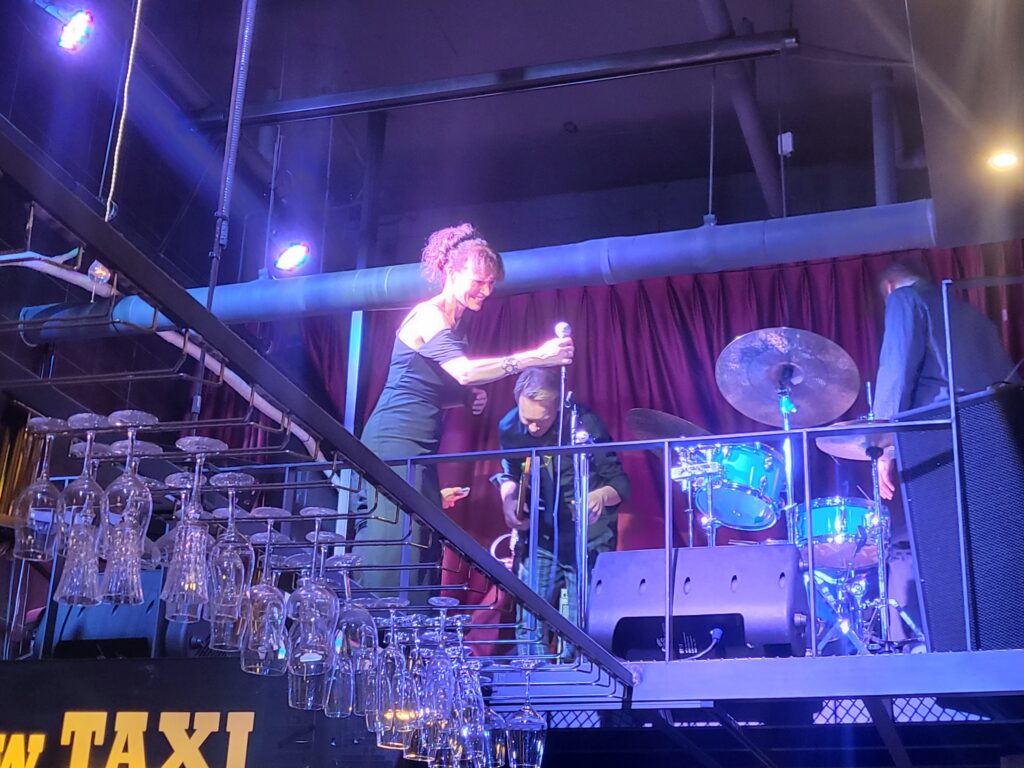
Its considerable attempts to clear my cluttered mind in various ways brought me one step closer to the Blues. It safely protected the anger I felt toward the company at the time, which was personally and inwardly quite painful. It was a jazz bar that added another reason why a major provincial city is so attractive, featuring excellent performances and a large screen that reminded me of the background music.